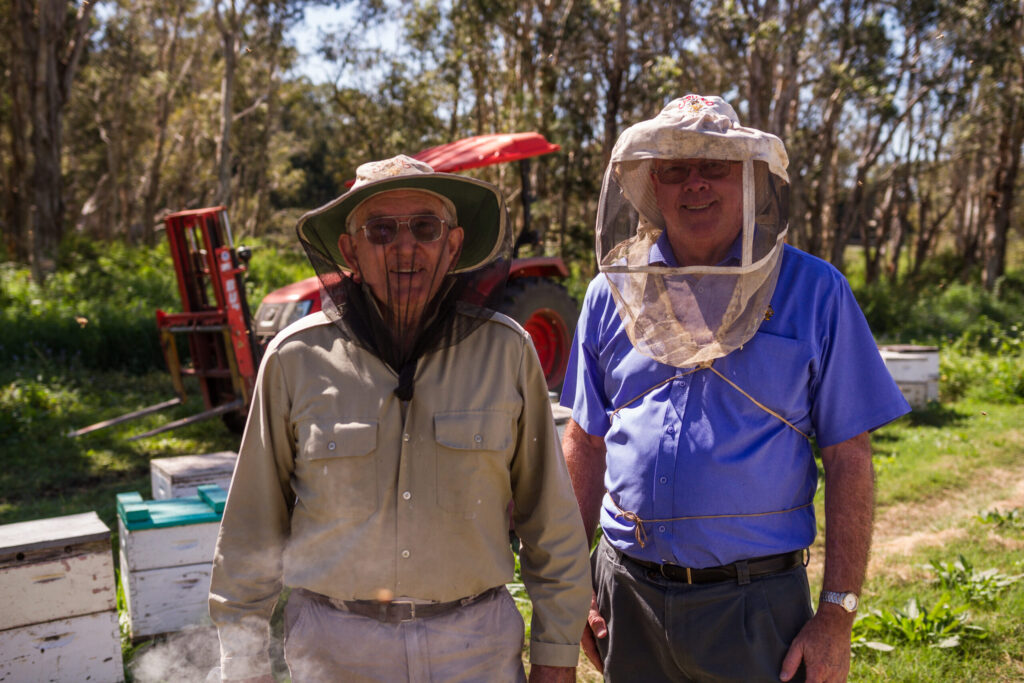
Funds collected through the National Honey Levy Program finance Queensland Bee Biosecurity Officer Program. The role of BBOs is to help beekeepers, making sure they understand how to prevent the spread of pests and diseases within their hives and identify exotic pests and disease.

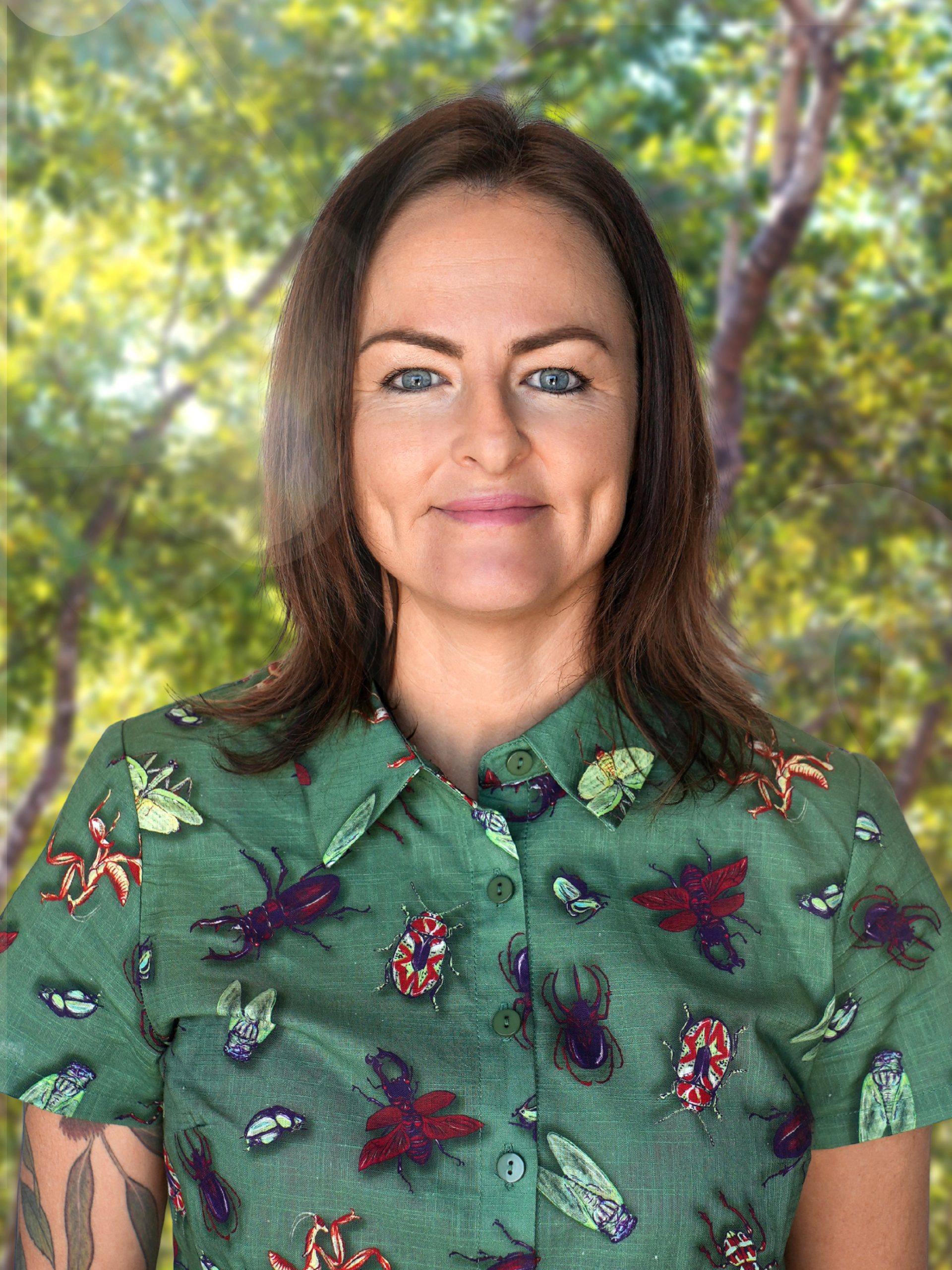
Meet Sarah Hickman – Engagement Officer (DPI)

Sarah grew up around beekeeping, with both her grandfather and stepfather keeping bees, instilling in her a lifelong fascination with insects, especially honeybees.

Her commercial beekeeping experience began in New Zealand, where she gained firsthand experience managing varroa and learning the importance of Integrated Pest Management practices in a synthetic chemical free operation.

That experience ultimately led Sarah back to Queensland to join the “mite fight” as a Varroa Development Officer, a role she held for 12 months before transitioning into her current position as Engagement Officer with the Varroa Mite Innovation and Resilience Initiative (VMIRI).

In her role, Sarah supports beekeepers through education, guidance, resources, and industry engagement. She also works with pollination-reliant industries to raise awareness of the current Queensland varroa situation and the possible future challenges varroa may create.

Sarah works closely with Queensland’s Biosecurity Champions network, a dedicated group of volunteer beekeepers who act as an important supportive bridge between government and industry by sharing information, updates, and resources with clubs and communities across the state.
Contact Details for Bee Biosecurity Officer (BBO)

  • Sarah.Hickman@dpi.qld.gov.au
  • Office : 0436 848 913

Funding for BBO and Other Programs

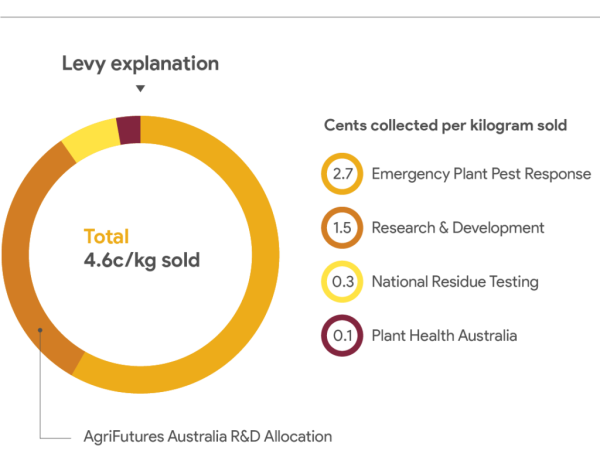
The Queensland Bee Biosecurity Officer is funded by money collected from the honey levy. When a beekeeper sells more than 1500kgs honey per year, they must pay a levy on that honey. This levy money goes towards different programs.

On average, honey production in Australia, including commercial and recreational production, is 37,000 tonnes. In a typical year 70 per cent of Australian honey is produced from native flora.

See this diagram for a breakdown of where the honey levy is directed. The levy is only collected on approximately 20,000 tonnes of honey produced in Australia.

For more information please follow the below link to the Department of Agriculture, Fisheries and Forestry.

What Our Members Say

Jessica Berry. - QBA Member,

Being a member of the QBA is my way of helping to support the association’s tireless efforts to ensure a viable apiculture industry in Queensland, which in turn positively impacts Australian agriculture as a whole.

Rob Dewar. - QBA Member

Membership with the QBA allows me to be actively involved in shaping the future of beekeeping in Australia.

Jacob Stevens. - QBA Member

Membership allows me to stay informed about matters that influence my industry and my beekeeping operation.

9562

Hobby Beekeepers

161377

Total Qld Bee Hives

439

Commercial Beekeepers

9682000000

Bee Population Qld

Get In Touch

We encourage members of the public to connect with the QBA via email. One of our friendly team will be in contact with you as soon as possible.