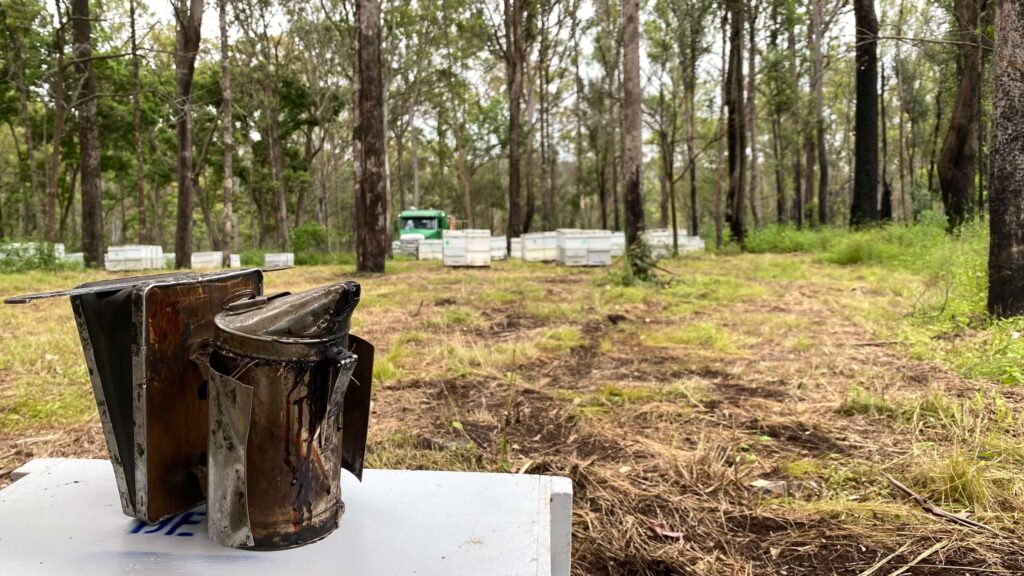
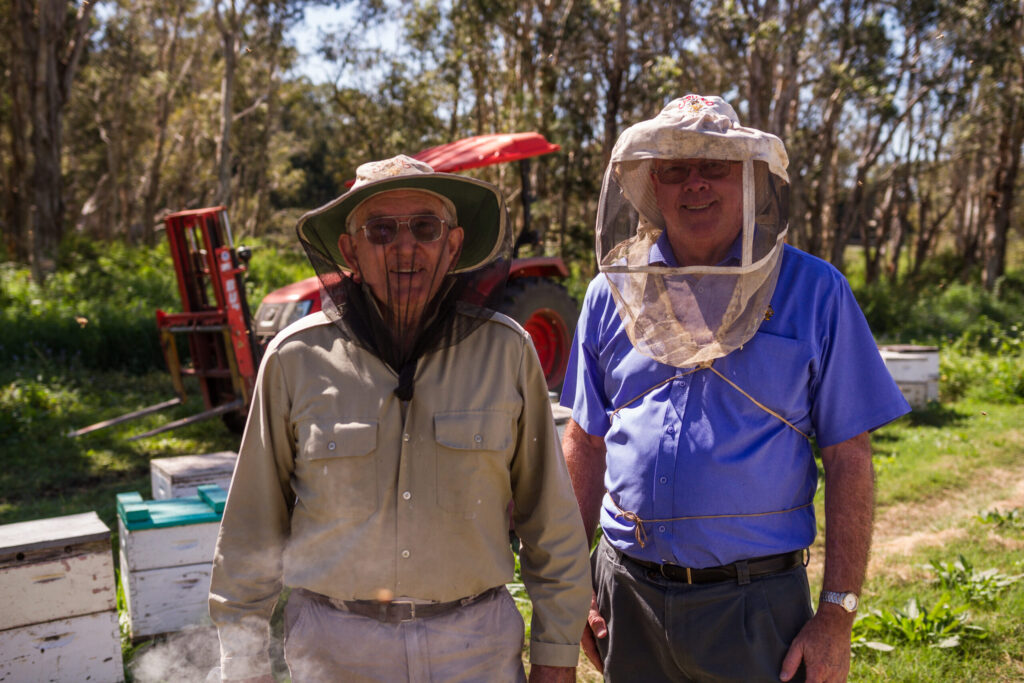
Beekeeping is wonderfully versatile. You can keep bees as a hobby, you can be a business owner and run a commercial operation, or you can be an employee in a commercial operation. There are several sub-specialities such as honey production, paid pollination services and/or queen bee breeding.
Training
Cert III in Beekeeping
This is the nationally recognised qualification for beekeeping in Australia. Here is a link to current Queensland training providers.
Through a Registered Training Organisation (RTO) you may choose to complete just one or more units of competency from within the Certificate III in Beekeeping course and receive a Statement of Attainment for these units when completed.
Basic Beekeeping Skill Set
This is suitable for hobby beekeepers and entry level workers in the beekeeping industry. It covers the basic skills and knowledge required to maintain a beehive or operate a small apiary. The units of competency in this qualification can provide credits towards a Certificate III in Beekeeping qualification.
Everyone who keeps bees is required to complete this simple yet important course on knowing and understanding the pests and diseases of honey bees. The BOLT course is a biosecurity obligation and requirement, with a refresher course required every 3 years.
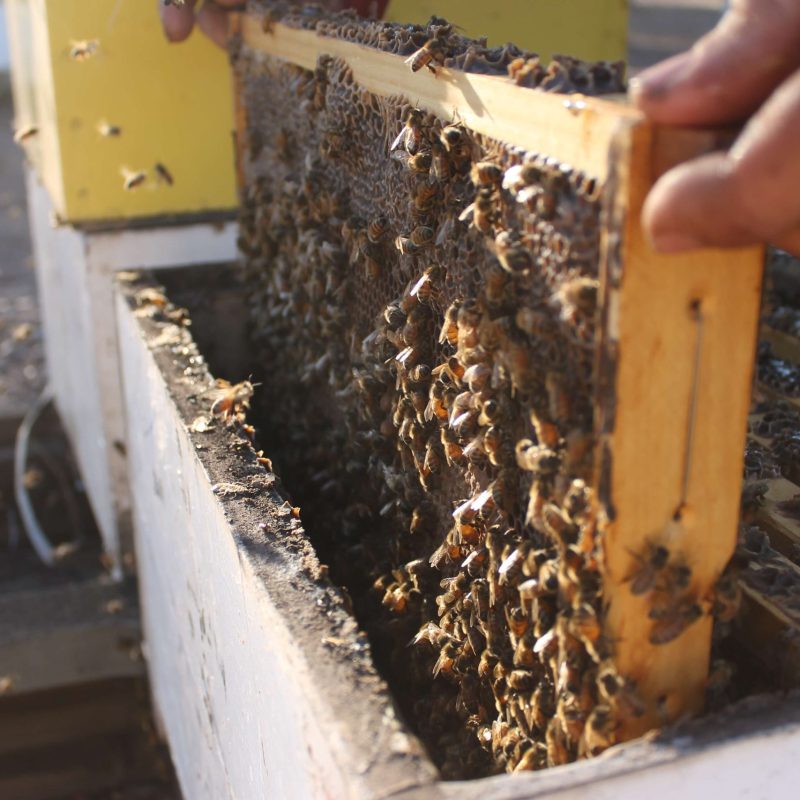
The BOLT course explains the importance of biosecurity, describes the main threats to honey bees, how to check hives for signs of pests and diseases, provides advice on keeping honey bees healthy and how to care for them in accordance with the Australian Honey Bee Code of Practice.
It is free for all Australian beekeepers. Use the link to access the BOLT course. Please scroll to the bottom of the page to access the beekeeper specific course.
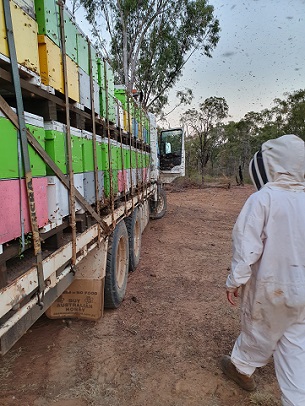
Many beekeepers travel extensively checking nectar and pollen flora and shifting hives to new areas of flowering resources. Much time is spent outdoors and often away from home, also with night driving.
Honey Production and/or Paid Pollination
Approximately 400 is the minimum number of hives required to sustain a living from honey production and/or paid pollination services.
Costs
The cost of a commercial operation is high as it includes hives, personal protective clothing, extracting equipment, trucks and associated costs and often employees.
Queen Bee Breeding
Raising queen bees for sale to other beekeepers is a rewarding, demanding and specialty area.
What Our Members Say's
Jessica Berry.- QBA Member,
Being a member of the QBA is my way of helping to support the association’s tireless efforts to ensure a viable apiculture industry in Queensland, which in turn positively impacts Australian agriculture as a whole.
Rob Dewar.- QBA Member
Membership with the QBA allows me to be actively involved in shaping the future of beekeeping in Australia.
Jacob Stevens.- QBA Member
Membership allows me to stay informed about matters that influence my industry and my beekeeping operation.
9562
Hobby Beekeepers
161377
Total Qld Bee Hives
439
Commercial Beekeepers
9682000000
Bee Population Qld
Get In Touch
We encourage members of the public to connect with the QBA via email. One of our friendly team will be in contact with you as soon as possible.